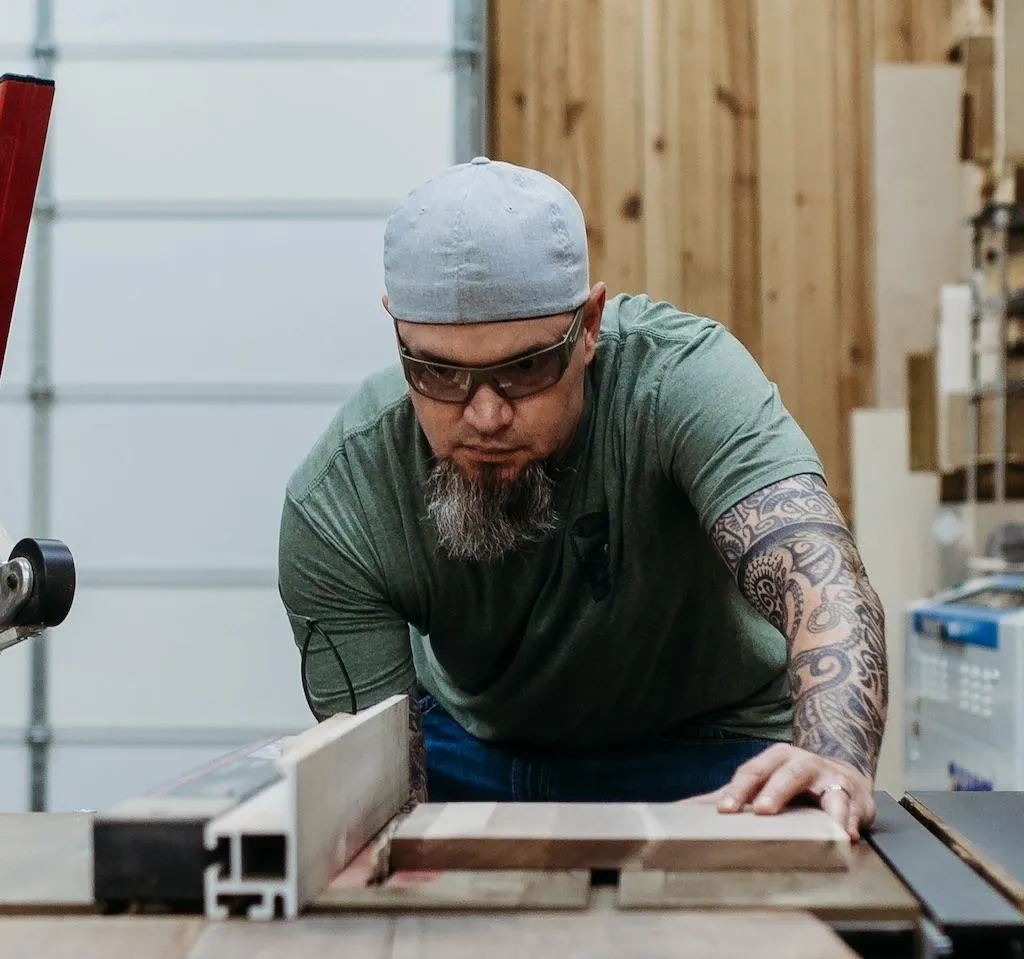
Woodworking Tips for Beginners: Essential Skills Every New Woodworker Needs to Know
Woodworking Tips for Beginners: Essential Skills Every New Woodworker Should Master
Woodworking is one of the most rewarding hobbies you can start, but getting comfortable with tools, materials, and techniques takes time. Whether you’re building small décor projects or dreaming of crafting your first piece of furniture, developing the right foundation is the key to long-term success.
This guide covers the top woodworking tips for beginners, from tool selection to cutting accuracy and how to build confidence faster with structured learning.
🔨 1. Start With the Right Essential Tools
You don’t need a full workshop to begin woodworking. Many beginners get overwhelmed and think they need every tool on the shelf you don’t.
Start with the basics:
Circular saw or miter saw
Drill/driver
Orbital sander
Tape measure & speed square
Clamps (you always need more than you think)
Safety gear
As you build more projects, you’ll naturally learn which tools matter most for the projects you love.
📏 2. Measure Accurately (and Then Measure Again)
In woodworking, accuracy determines everything from clean joints to tight assemblies. Beginners often make mistakes by rushing measurements or trusting the first mark.
Tips for better accuracy:
Use a sharp pencil or marking knife
Mark from the same reference edge
Double-check inside vs. outside measurements
Square your cuts before assembling
Consistent accuracy eliminates hours of frustration and rework.
✂️ 3. Learn to Make Clean, Straight Cuts
One of the first skills every new woodworker should master is cutting straight and safely.
Whether you’re using a circular saw or miter saw:
Support your material properly
Let the blade do the work
Don’t force the cut
Keep your hands away from the blade path
Use a cutting guide or straightedge
Straight cuts make your projects look cleaner and assemble easier.
🪚 4. Sand Smarter, Not Harder
Sanding is more than smoothing edges.
Follow this pattern:
Start with 80 or 120 grit
Move to 150/180
Finish with 220
Don't skip grits it leaves swirl marks and uneven surfaces.
🪵 5. Choose the Right Wood for Your Project
Beginners often grab whatever board looks good, but each type of wood has its own hardness, grain, and behavior.
Easy woods for beginners:
Pine
Poplar
Cedar
Avoid at first:
Oak (heavy, open grain)
Maple (hard and can burn easily)
Choosing the right wood makes cutting, sanding, and finishing easier and your projects look cleaner.
🔧 6. Practice Safe Woodworking Habits
Safety is critical, especially when you're still learning.
Always:
Wear safety glasses
Keep guards on tools
Clamp your work
Never rush through a cut
Keep your workspace organized
Good habits early on prevent bad accidents later.
📚 7. Start With Simple, Skill-Building Projects
One of the biggest beginner mistakes is starting with a project that’s too complex.
Begin with builds that focus on:
Straight cuts
Simple joinery
Basic sanding
Clean assembly
These foundational skills build confidence, speed, and accuracy the core of great woodworking.
🌟 Want to Learn Woodworking Faster?
Get Step-by-Step Guidance With Woodworking Kickstart
If you want a structured path to mastering woodworking not random YouTube browsing
Woodworking Kickstart gives beginners everything they need to build with confidence.
Inside the course you’ll get:
6 hands-on projects that teach real skills
20+ step-by-step video tutorials
20+ printable plans
Beginner-friendly instruction
Techniques for accurate cuts, joinery, finishing, and more
Each project is designed to help you go from “I’m not sure what I’m doing” to “I understand exactly why this works.”
If you're serious about learning woodworking the right way, Woodworking Kickstart is the fastest and clearest path forward.
👉Click here to join Woodworking Kickstart & claim your free plans


